Before work begins
What can affect the job.
Material movement slows a project when the quantity, loading plan, truck access, destination, and work sequence are unclear.
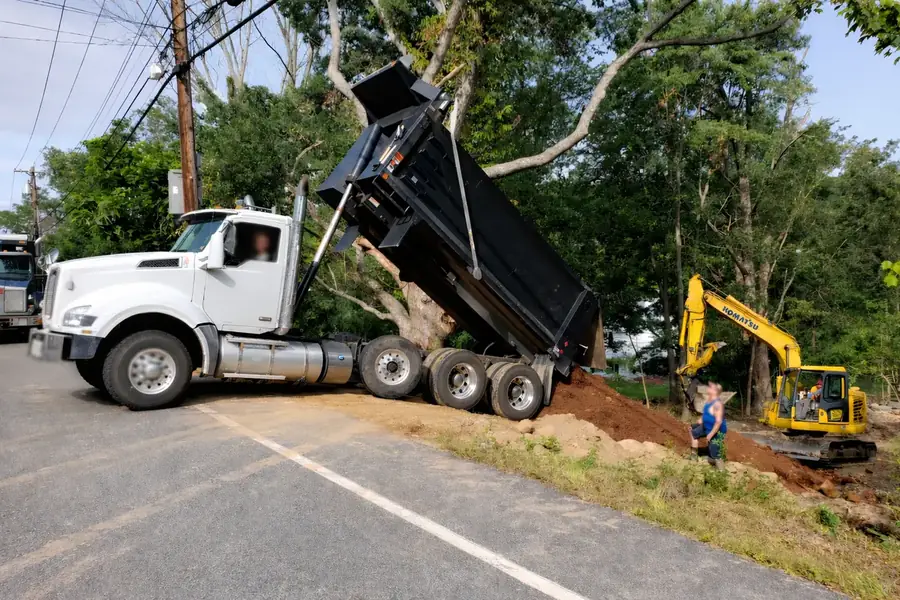
Hauling & Material Handling services
Dirt, fill, stone, and site-material handling coordinated with excavation, clearing, and grading work.
Before work begins
Material movement slows a project when the quantity, loading plan, truck access, destination, and work sequence are unclear.
GradeCraft's approach
GradeCraft plans the loading area, truck access, destination, placement, and any machine work needed at the site.
Before work begins
EPA construction guidance favors sequencing and limiting active disturbance. Coordinating excavation, stockpiles, reuse, loading, truck access, placement, and stabilization can reduce needless handling while keeping completed areas and exposed soil under better control.
The right scope still depends on site conditions, utility requirements, drainage outlets, permits, and how the area will be used.
What may be included
Each estimate identifies the excavation work and notes any design, permits, locating, testing, licensed trade work, or finish work that must be handled separately.
Common questions
Provide the material type, approximate quantity, whether it is loose or in place, who will load it, pickup and destination locations, truck access, and whether placement or grading is needed.
Not automatically. The material and receiving location must be appropriate, and unknown, contaminated, regulated, or mixed material may require testing, documentation, or a specialized disposal route.
Services and locations
See where GradeCraft handles this type of work.
Services and locations
Request an estimate
Send the town or city, approximate size, site access, and a short description of what you need done.