Before work begins
What can affect the job.
A grade has to relate to buildings, roads, outlets, neighboring ground, and the surface that will be installed next.
Site Grading services
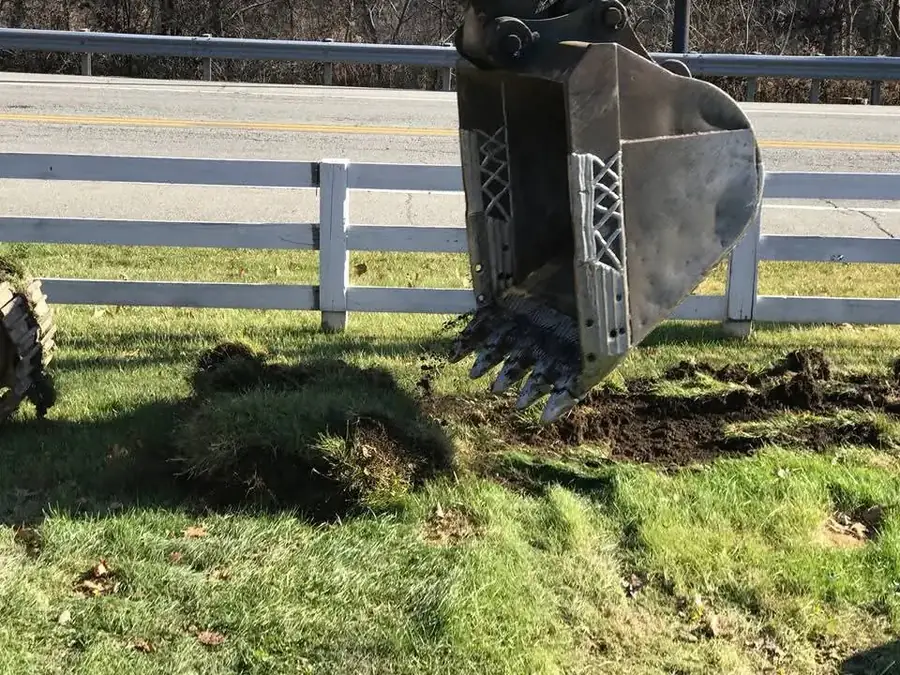
Rough grading, finish grading, property reshaping, drainage slopes, and preparation for the work that follows.
Before work begins
A grade has to relate to buildings, roads, outlets, neighboring ground, and the surface that will be installed next.
GradeCraft's approach
GradeCraft checks existing elevations, drainage, available material, and how the area will be used before grading begins.
Before work begins
EPA guidance describes land grading as reshaping planned elevations to create suitable topography and help control runoff, erosion, and sediment. Because an improper grade can move a problem elsewhere, soils, slopes, existing drainage, outlets, and the final surface should be evaluated together.
The right scope still depends on site conditions, utility requirements, drainage outlets, permits, and how the area will be used.
What may be included
Each estimate identifies the excavation work and notes any design, permits, locating, testing, licensed trade work, or finish work that must be handled separately.
Common questions
Rough grading establishes the main shape and elevations. Finish grading refines the surface for its next use, such as lawn, stone, pavement, a pad, or another improvement. The required tolerance depends on that next use.
No. Grading can improve surface flow when suitable elevations and an outlet exist. Some sites also need drainage structures, piping, a survey, engineered design, or another correction.
Services and locations
See where GradeCraft handles this type of work.
Services and locations
Request an estimate
Send the town or city, approximate size, site access, and a short description of what you need done.